
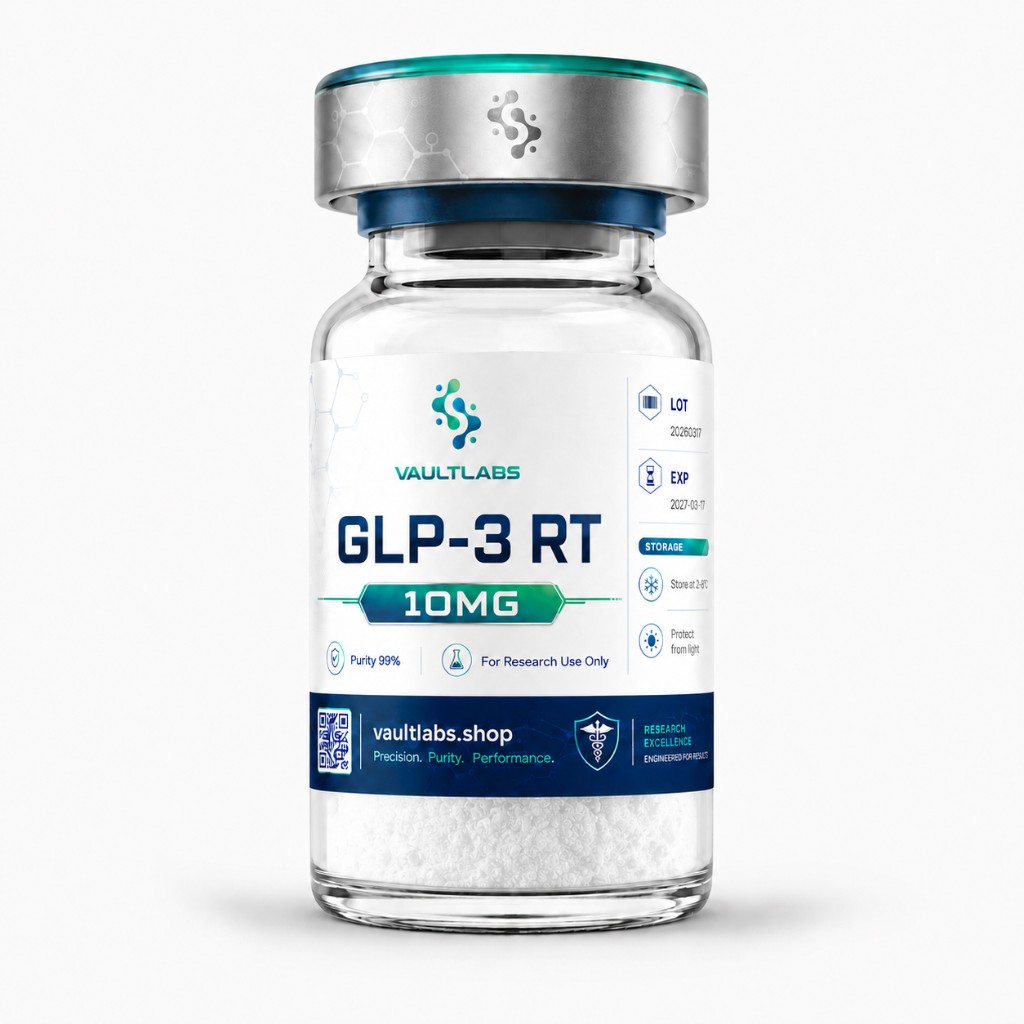
Interpreting assay results on a supplier's Certificate of Analysis (COA) is crucial for research teams in the United Arab Emirates, including those in Dubai, Abu Dhabi, Sharjah, and the northern emirates, to ensure the quality and authenticity of their research materials. The COA serves as a guarantee from the supplier that the product meets certain standards, and understanding its contents can significantly impact the outcomes of laboratory experiments.
Key takeaways - Accurate interpretation of COA assay results is vital for research integrity. - COA verification involves checking the document for completeness and accuracy. - Understanding analytical methods used in assay results is essential for interpretation. - Research teams should maintain detailed records of batch documentation for future reference.
Understanding COA Assay Results The assay results section of a COA provides detailed information about the product's composition, purity, and potency. It is essential to understand the analytical techniques used to generate these results, such as chromatography or spectroscopy, to accurately interpret the data. This knowledge helps researchers to identify any potential issues with the product and make informed decisions about its use in their experiments.
Importance of COA Verification Verifying the COA is a critical step in the procurement process. Research teams should check the document for completeness, ensuring that all necessary information is included, such as the product's identity, purity, and potency. They should also verify the batch number and manufacturing date to ensure that the product is within its shelf life. For an in-depth guide on verifying a COA, researchers can visit [COA checklist](/tools/coa-checklist) or [batch verification](/batch-verify) tools provided by suppliers like VaultLabs.
Analytical Methods and Techniques Different analytical methods and techniques are used to generate assay results, and understanding these methods is crucial for accurate interpretation. For example, chromatography can be used to separate and identify the components of a mixture, while spectroscopy can provide information about the molecular structure of a compound. Researchers should familiarize themselves with these techniques to ensure that they can accurately interpret the assay results and make informed decisions about their research materials.
Storage and Handling Conditions Proper storage and handling conditions are essential to maintain the quality and integrity of research materials. The COA should provide information about the recommended storage conditions, such as temperature and humidity, and researchers should ensure that these conditions are met to prevent degradation or contamination of the product. For guidance on storing and handling research materials, researchers can visit [shipping and storage](/shipping-storage) guidelines.
Conclusion In conclusion, interpreting assay results on a supplier's COA is a critical step in ensuring the quality and authenticity of research materials in the UAE. By understanding the analytical methods and techniques used to generate these results, verifying the COA, and maintaining proper storage and handling conditions, research teams can ensure the integrity of their experiments and the accuracy of their results. For in vitro research use only, it is essential to follow proper protocols and guidelines to ensure the safe and effective use of research materials. Not for human or animal consumption, researchers should always prioritize the quality and authenticity of their materials by consulting resources such as [the Vault standard](/the-vault-standard) for more information on research material sourcing and [research use policy](/legal/research-use-policy) for compliance.
Procurement checklist for interpret COA assay results
Before approving a new Lab Testing SKU focused on interpret COA assay results, laboratories should verify supplier entity details, TRN invoicing where applicable, and published batch verification tools.
Receiving inspection should confirm vial integrity, label legibility, and match between physical lot numbers and supplier COA references.
For interpret COA assay results lots received in Abu Dhabi, match vial labels to COA batch IDs using batch verify before updating inventory systems.
HPLC purity values on supplier COA documents for Lab Testing describe analytical context for Sharjah labs — not therapeutic endpoints.
If a interpret COA assay results lot lacks published COA, request documentation through request documentation while keeping material quarantined per internal policy.
For interpret COA assay results lots received in Ras Al Khaimah, match vial labels to COA batch IDs using batch verify before updating inventory systems.
HPLC purity values on supplier COA documents for Lab Testing describe analytical context for Fujairah labs — not therapeutic endpoints.
If a interpret COA assay results lot lacks published COA, request documentation through request documentation while keeping material quarantined per internal policy.
For interpret COA assay results lots received in Dubai, match vial labels to COA batch IDs using batch verify before updating inventory systems.
HPLC purity values on supplier COA documents for Lab Testing describe analytical context for Abu Dhabi labs — not therapeutic endpoints.
Vendor qualification
Vendor qualification within "Interpreting Assay Results on Supplier COA": when qualifying interpret COA assay results (Lab Testing), document how this checkpoint appears on your receiving form. Tie COA batch IDs to batch verify, archive temperature notes from shipping storage, and align with documentation center. Educational UAE in vitro supply context only — not medical guidance.
Receiving inspection
Receiving inspection within "Interpreting Assay Results on Supplier COA": when qualifying interpret COA assay results (Lab Testing), document how this checkpoint appears on your receiving form. Tie COA batch IDs to batch verify, archive temperature notes from shipping storage, and align with documentation center. Educational UAE in vitro supply context only — not medical guidance.
Documentation archive
Documentation archive within "Interpreting Assay Results on Supplier COA": when qualifying interpret COA assay results (Lab Testing), document how this checkpoint appears on your receiving form. Tie COA batch IDs to batch verify, archive temperature notes from shipping storage, and align with documentation center. Educational UAE in vitro supply context only — not medical guidance.
Analytical identity and catalog alignment
Catalog nomenclature for interpret COA assay results may differ from primary literature names. Map supplier SKU descriptions to your internal compound registry before assay design.
Cross-reference related VaultLabs pages: - tools/coa checklist
Abu Dhabi teams evaluating interpret COA assay results typically map supplier documentation to their internal material-qualification SOPs before any bench work begins. VaultLabs positions Lab Testing materials for analytical workflows only.
When interpret COA assay results appears on a Sharjah purchase requisition, procurement generally requires lot traceability, a matching COA reference, and research-use-only invoice language.
Clear educational reference on Lab Testing helps coordinators reconcile catalog nomenclature with published literature without implying any clinical outcome.
Ras Al Khaimah teams evaluating interpret COA assay results typically map supplier documentation to their internal material-qualification SOPs before any bench work begins. VaultLabs positions Lab Testing materials for analytical workflows only.
When interpret COA assay results appears on a Fujairah purchase requisition, procurement generally requires lot traceability, a matching COA reference, and research-use-only invoice language.
Clear educational reference on Lab Testing helps coordinators reconcile catalog nomenclature with published literature without implying any clinical outcome.
Dubai teams evaluating interpret COA assay results typically map supplier documentation to their internal material-qualification SOPs before any bench work begins. VaultLabs positions Lab Testing materials for analytical workflows only.
Internal SOP alignment (research use only)
VaultLabs supplies Lab Testing materials strictly for in vitro laboratory research. Align external supplier documentation with your institution's material approval workflow.
Do not interpret educational content about interpret COA assay results as instructions for human or animal administration. VaultLabs does not provide dosage, administration, study-design, or medical guidance.
Research teams in Abu Dhabi working with interpret COA assay results should maintain receiving logs that connect supplier COA references to internal assay records.
Lab Testing procurement in the UAE emphasizes documentation over promotional claims — compare the vault standard with your vendor qualification checklist.
For glossary terms related to interpret COA assay results, see tools/peptide glossary. For catalog context, visit shop/research peptides.
Research teams in Ras Al Khaimah working with interpret COA assay results should maintain receiving logs that connect supplier COA references to internal assay records.
Lab Testing procurement in the UAE emphasizes documentation over promotional claims — compare the vault standard with your vendor qualification checklist.
For glossary terms related to interpret COA assay results, see tools/peptide glossary. For catalog context, visit shop/research peptides.
Research teams in Dubai working with interpret COA assay results should maintain receiving logs that connect supplier COA references to internal assay records.
Disclaimer
For in vitro research use only. Not for human or animal consumption. VaultLabs does not provide dosage, administration, medical, or treatment guidance.
VaultLabs supplies research materials strictly for in vitro laboratory research and analytical testing. Products are not intended for human or animal consumption. VaultLabs does not provide dosage, administration, medical, or protocol guidance.
