

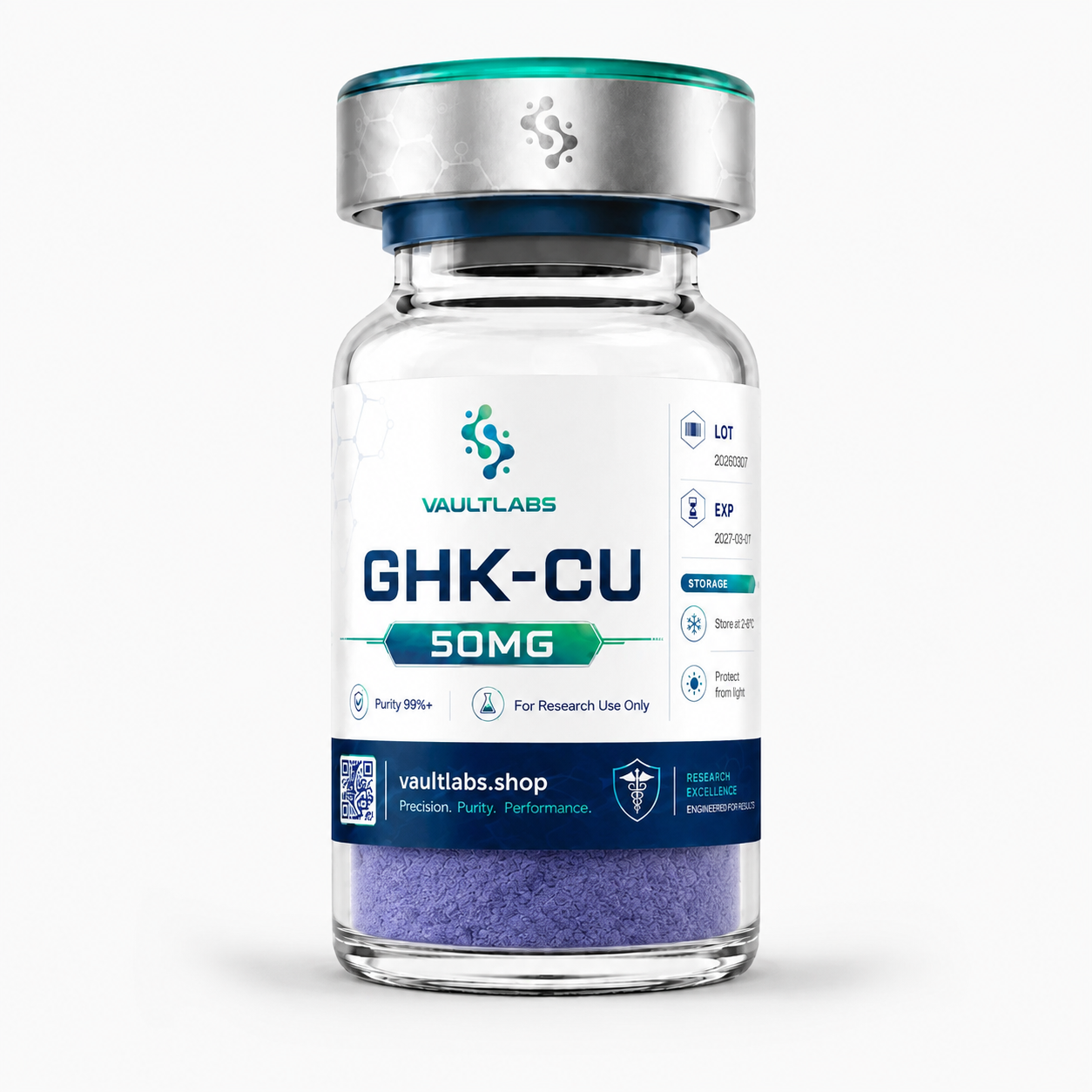
"Best" is not a property that belongs to a peptide. It belongs to the paperwork that arrives with it. Two vials of the same compound at the same nominal purity are not equivalent purchases if one carries a readable lot identifier tied to an analytical document and the other carries a printed sticker and a promise. So the question worth asking before ordering in the UAE is not which compound to buy, but what the supplier will put in writing, what the label will actually say when the box is opened, and whether your receiving officer can close the loop without sending an email and waiting three days.
Build a supplier file before you build a basket
Most buying mistakes happen because the evaluation and the order are the same event. Separate them. Open a short file on the supplier — what they publish, what they claim, how they describe the intended use of their catalogue — and judge that file before any SKU is chosen. A supplier whose public pages are consistent about being research-use-only is easier to defend to an institutional reviewer than one whose product copy drifts into implied uses. VaultLabs sets out its position on the Vault Standard; read it as a set of claims to be checked rather than as reassurance.
Documentation you can see before you pay
The single most useful pre-order test is whether analytical documentation is reachable without a sales conversation. Look for a public COA verification route and a working batch verification portal, then try them. Enter a lot that does not exist and see what happens. A portal that returns a clean "no record" is more trustworthy than one that always returns something.
Be realistic about coverage. VaultLabs publishes per-lot records when they have been uploaded for that lot, which means some lots will be online and some will not yet be. That is a normal state of affairs in any catalogue with rolling production. What matters is that the absence of a record is visible rather than papered over. If a lot you need is not published, request it through documentation requests before the material ships, not after it is already in your fridge.
Lot identity is the hinge everything else turns on
A COA without a matching lot on the vial is a document about someone else's material. Before ordering, confirm that lot identifiers appear on the physical label and that the format is stable enough to transcribe into your inventory system. This sounds trivial until a technician records a partially legible code and two batches of the same SKU become indistinguishable on the shelf. The reasoning behind lot discipline is set out at more length in why lot tracking matters, and the underlying vocabulary is defined at lot number.
Currency, quotes, and the finance file
Pricing and checkout are handled in AED, which removes one common friction: a purchase order raised in dirhams and settled in dirhams does not need a conversion narrative attached to it. When you request a quotation, ask for the SKU code, the pack size, and the unit count on the same line. Finance teams reject quotations for missing identifiers far more often than for price.
Dispatch and the last mile across the emirates
Dispatch covers the seven emirates, but the useful planning question is who physically receives the parcel. A delivery that arrives at a building reception and sits there is a storage event you did not plan. Decide the receiving window, name a person, and read shipping and storage so the handling expectations are agreed before the first order rather than improvised on the day.
Research-use-only is a purchasing criterion, not a footnote
Regard the intended-use position as part of the specification. A supplier that declines to give application guidance is not being unhelpful; it is being consistent. Read the research use policy and confirm your own institution's internal rules align with it. Then browse the research peptide catalogue knowing what you are agreeing to.
FAQ
What should I check first if I only have ten minutes?
Test the batch verification portal with a real lot and a fake one, then read the supplier's stated intended-use position. Those two checks separate documented supply from listing-only supply faster than any price comparison.
Is a higher published purity figure a reason to switch supplier?
Not on its own. A purity figure is meaningless without the method that produced it and the lot it belongs to. Compare documents, not headline numbers.
Does VaultLabs recommend which compound suits my study?
No. Material selection and study design belong to your laboratory. VaultLabs supplies reference-grade materials and the records attached to them.
What if the lot I receive has no published record yet?
Contact support with the order reference and the lot on the label. Records are published when uploaded for that specific lot, so a pending record is not the same as a missing one.
All material referenced here is supplied for in vitro laboratory research only.