
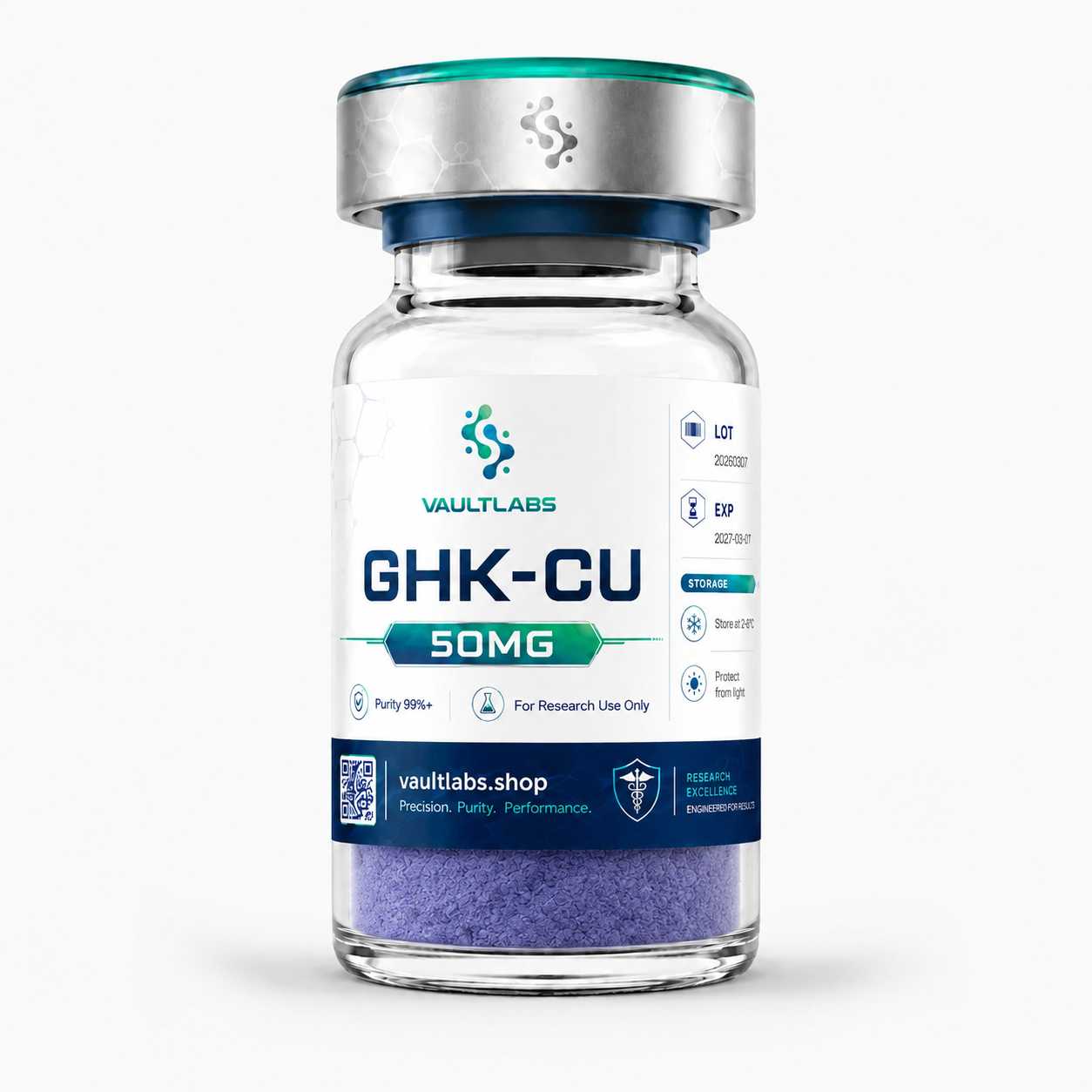
The hardest part of storing research peptides in the UAE is not the freezer. It is the short window between the courier handing over a parcel and somebody putting it into controlled storage. Gulf ambient conditions are unforgiving of a box left on a loading bay, a reception desk, or the passenger seat of a car crossing between sites. Most storage incidents in this region are receiving incidents wearing a different name, so the practices below start at the door rather than at the fridge.
The receiving window is the actual risk
Decide in advance who signs for material, where they put it, and how long that is allowed to take. If the answer is "whoever is at reception," you do not have a process; you have a habit that will fail on the day the usual person is away. Nominate a receiving officer per site and a deputy, and give them a defined place to move the parcel to immediately. Twenty minutes of indoor ambient exposure is a different proposition in August than it is in January, and your record should reflect that reality rather than assume a temperate default. Practical background sits in shipping and storage and packaging and delivery.
Log before you store, not afterwards
Record the lot identifier, the SKU, the date, the condition of the outer packaging, and the state of any cold-chain material at the moment the box is opened. Doing this before the vials disappear into a shared fridge is the single cheapest control available, because retrospective logging is guesswork and everyone knows it. If the lot on the vial does not match the lot on the paperwork, that is the moment to stop, quarantine, and query it — not three weeks later when the material is half used and the discrepancy is unrecoverable.
Lyophilized material wants sealed, cold, and dark
Keep lyophilized vials sealed until they are needed, stored at the condition named on the lot record, and protected from light. The enemy in this climate is not only temperature but the moisture that condenses on a cold vial brought into a humid room. Let sealed vials equilibrate before opening, keep desiccant with stock where the supplier provided it, and do not decant material into unlabelled secondary containers because somebody wanted a smaller vial. An unlabelled aliquot is an untraceable aliquot.
- Store sealed vials at the condition stated on the lot record.
- Keep the lot identifier physically with the material at every step.
- Avoid repeated removal and return of the whole stock box for single-vial access.
Refrigerator or freezer is a records question first
The choice between chilled and frozen storage is usually settled by the supplier's stated condition and your own written procedure, not by preference. What matters more than the setting is that the setting is documented, monitored, and the same one referenced on your inventory record. Freezer versus refrigerator storage covers the trade-offs; the discipline that prevents loss is minimising freeze-and-thaw cycling by aliquoting sensibly and by keeping the stock freezer out of general-purpose use.
Once material is in solution, everything gets shorter
Prepared solutions have far less tolerance than sealed lyophilized stock. Label every prepared container with the parent lot, the preparation date, and the concentration, and keep that label legible under condensation. The common failure is not degradation; it is a tube in a rack that nobody can attribute to a lot, which quietly invalidates whatever it was used for. Local guidance is collected in storing research peptides in UAE climate and in the list of common storage mistakes.
Excursions: decide the rule before you need it
Write down, in advance, what your lab does when a parcel arrives warm, when a freezer alarms overnight, or when a delivery sits at a gatehouse. The rule does not have to be elaborate. It has to exist, name a decision-maker, and default to quarantine rather than to optimism. Labs that improvise this decision under pressure almost always improvise in favour of using the material, which is exactly the outcome the rule is meant to prevent. Cold-chain expectations for incoming orders are worth agreeing with the supplier up front — see cold chain research supplies and the regional overview at peptide storage UAE.
FAQ
What should happen in the first ten minutes after delivery?
Open the outer packaging, check lot identifiers against the paperwork, record condition, and move the vials into their designated storage location. Logging comes first because it cannot be reconstructed later.
Does UAE ambient heat mean everything needs frozen dispatch?
Not necessarily. What it means is that the exposure window during transit and receiving needs to be short and documented. Follow the condition stated on the lot record rather than a general assumption.
How should prepared solutions be labelled?
With the parent lot identifier, preparation date, and concentration, on a label that survives condensation. Anything that cannot be traced back to a lot should be regarded as unusable for recorded work.
Who should own storage records?
A named receiving officer with a named deputy. Shared ownership of a fridge reliably becomes no ownership of the log.
Material referenced here is supplied for in vitro laboratory research only.
