
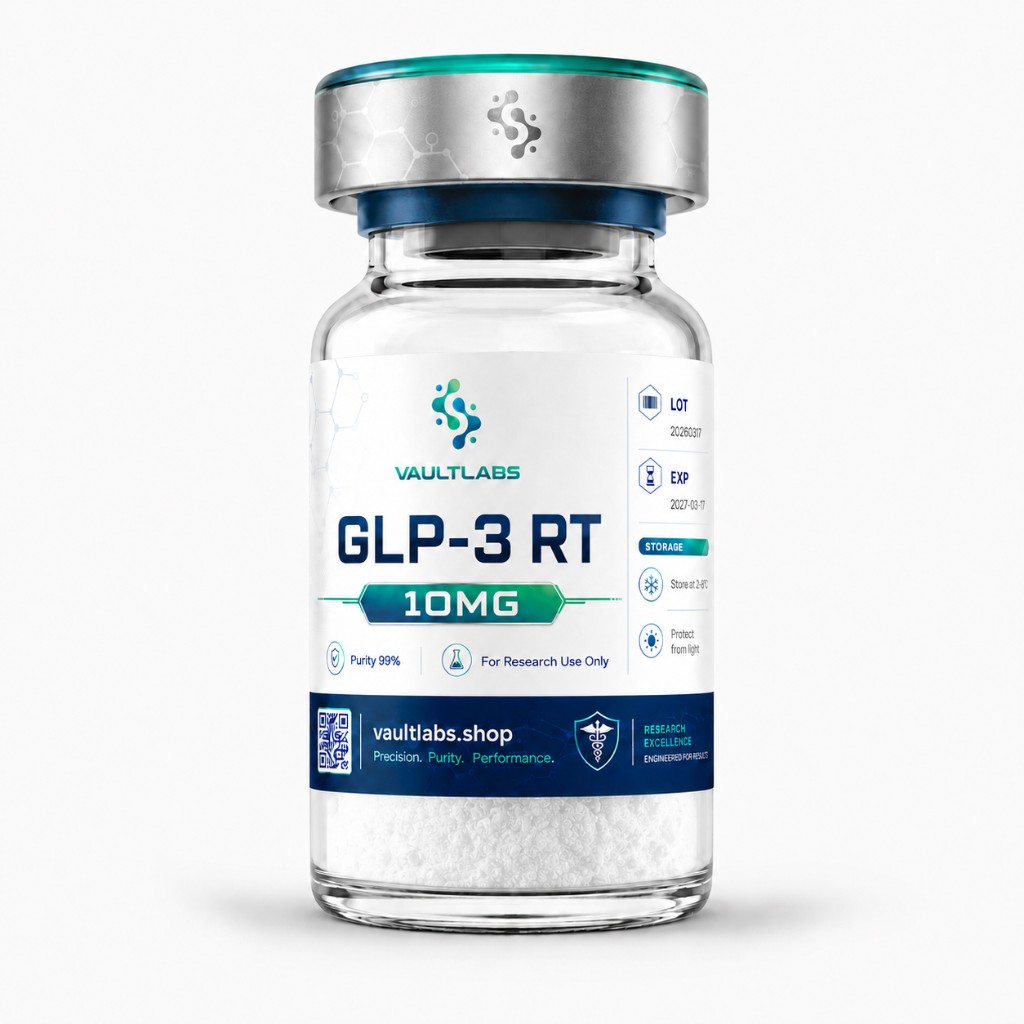
The storage of research peptides is a critical aspect of maintaining their stability and efficacy in laboratory settings. In the United Arab Emirates, researchers have access to a range of storage options, including freezer and refrigerator storage. When it comes to choosing the best storage method for research peptides, it is essential to consider the specific requirements of the peptides and the resources available in the laboratory.
Key takeaways - Freezer storage is typically used for long-term storage of research peptides - Refrigerator storage is often used for short-term storage of research peptides - The choice of storage method depends on the specific peptide and its stability requirements - Proper storage and handling of research peptides are critical for maintaining their quality and efficacy
Peptide Stability and Storage The stability of research peptides is a critical factor in determining the best storage method. Peptides are sensitive to temperature, light, and moisture, which can affect their stability and efficacy. Refrigerator storage at a temperature range of 2-8°C is often used for short-term storage of research peptides, while freezer storage at a temperature range of -20°C or lower is typically used for long-term storage. It is essential to consider the specific storage requirements of the peptide and to consult the [COA verification](/coa-verification) documentation provided by the supplier.
Storage Options in the UAE In the United Arab Emirates, researchers have access to a range of storage options, including laboratory refrigerators and freezers. These storage units are designed to maintain a consistent temperature and humidity level, which is critical for maintaining the stability of research peptides. When choosing a storage option, it is essential to consider the specific requirements of the peptide and the resources available in the laboratory. For example, some peptides may require storage at a specific temperature or humidity level, while others may require protection from light.
Documentation and Verification Proper documentation and verification are critical for maintaining the quality and efficacy of research peptides. When purchasing research peptides, it is essential to consult the [batch verification](/batch-verify) documentation provided by the supplier. This documentation provides information on the peptide's stability, storage requirements, and handling procedures. Additionally, researchers should consult the [peptide storage guide](/tools/peptide-storage-guide) to ensure that they are storing their peptides correctly.
Shipping and Storage Logistics The shipping and storage logistics of research peptides are also critical for maintaining their stability and efficacy. In the UAE, researchers can take advantage of shipping and storage options provided by suppliers such as VaultLabs. These options include cold chain shipping and storage at a temperature-controlled facility. When choosing a shipping and storage option, it is essential to consider the specific requirements of the peptide and the resources available in the laboratory. Researchers can also use the [peptide reconstitution calculator](/tools/peptide-reconstitution-calculator) to ensure that they are handling their peptides correctly.
Conclusion In conclusion, the storage of research peptides is a critical aspect of maintaining their stability and efficacy in laboratory settings. By considering the specific requirements of the peptide and the resources available in the laboratory, researchers can choose the best storage method for their research peptides. For in vitro research use only, it is essential to follow proper storage and handling procedures to maintain the quality and efficacy of the peptides. Researchers can consult the [research use policy](/legal/research-use-policy) for more information on the proper use and handling of research peptides in the laboratory. By following these guidelines and consulting the [Vault Standard](/the-vault-standard), researchers can ensure that they are using high-quality research peptides in their experiments.
Procurement checklist for freezer refrigerator peptide storage
Before approving a new Peptide Storage SKU focused on freezer refrigerator peptide storage, laboratories should verify supplier entity details, TRN invoicing where applicable, and published batch verification tools.
Receiving inspection should confirm vial integrity, label legibility, and match between physical lot numbers and supplier COA references.
HPLC purity values on supplier COA documents for Peptide Storage describe analytical context for Ajman labs — not therapeutic endpoints.
If a freezer refrigerator peptide storage lot lacks published COA, request documentation through request documentation while keeping material quarantined per internal policy.
For freezer refrigerator peptide storage lots received in Fujairah, match vial labels to COA batch IDs using batch verify before updating inventory systems.
HPLC purity values on supplier COA documents for Peptide Storage describe analytical context for Umm Al Quwain labs — not therapeutic endpoints.
If a freezer refrigerator peptide storage lot lacks published COA, request documentation through request documentation while keeping material quarantined per internal policy.
For freezer refrigerator peptide storage lots received in Abu Dhabi, match vial labels to COA batch IDs using batch verify before updating inventory systems.
HPLC purity values on supplier COA documents for Peptide Storage describe analytical context for Sharjah labs — not therapeutic endpoints.
If a freezer refrigerator peptide storage lot lacks published COA, request documentation through request documentation while keeping material quarantined per internal policy.
Vendor qualification
Vendor qualification within "Freezer vs Refrigerator Storage for Research Peptides": when qualifying freezer refrigerator peptide storage (Peptide Storage), document how this checkpoint appears on your receiving form. Tie COA batch IDs to batch verify, archive temperature notes from shipping storage, and align with documentation center. Educational UAE in vitro supply context only — not medical guidance.
Receiving inspection
Receiving inspection within "Freezer vs Refrigerator Storage for Research Peptides": when qualifying freezer refrigerator peptide storage (Peptide Storage), document how this checkpoint appears on your receiving form. Tie COA batch IDs to batch verify, archive temperature notes from shipping storage, and align with documentation center. Educational UAE in vitro supply context only — not medical guidance.
Documentation archive
Documentation archive within "Freezer vs Refrigerator Storage for Research Peptides": when qualifying freezer refrigerator peptide storage (Peptide Storage), document how this checkpoint appears on your receiving form. Tie COA batch IDs to batch verify, archive temperature notes from shipping storage, and align with documentation center. Educational UAE in vitro supply context only — not medical guidance.
Analytical identity and catalog alignment
Catalog nomenclature for freezer refrigerator peptide storage may differ from primary literature names. Map supplier SKU descriptions to your internal compound registry before assay design.
Cross-reference related VaultLabs pages: - tools/peptide storage guide
When freezer refrigerator peptide storage appears on a Ajman purchase requisition, procurement generally requires lot traceability, a matching COA reference, and research-use-only invoice language.
Clear educational reference on Peptide Storage helps coordinators reconcile catalog nomenclature with published literature without implying any clinical outcome.
Fujairah teams evaluating freezer refrigerator peptide storage typically map supplier documentation to their internal material-qualification SOPs before any bench work begins. VaultLabs positions Peptide Storage materials for analytical workflows only.
When freezer refrigerator peptide storage appears on a Umm Al Quwain purchase requisition, procurement generally requires lot traceability, a matching COA reference, and research-use-only invoice language.
Clear educational reference on Peptide Storage helps coordinators reconcile catalog nomenclature with published literature without implying any clinical outcome.
Abu Dhabi teams evaluating freezer refrigerator peptide storage typically map supplier documentation to their internal material-qualification SOPs before any bench work begins. VaultLabs positions Peptide Storage materials for analytical workflows only.
When freezer refrigerator peptide storage appears on a Sharjah purchase requisition, procurement generally requires lot traceability, a matching COA reference, and research-use-only invoice language.
Disclaimer
For in vitro research use only. Not for human or animal consumption. VaultLabs does not provide dosage, administration, medical, or treatment guidance.
VaultLabs supplies research materials strictly for in vitro laboratory research and analytical testing. Products are not intended for human or animal consumption. VaultLabs does not provide dosage, administration, medical, or protocol guidance.
