

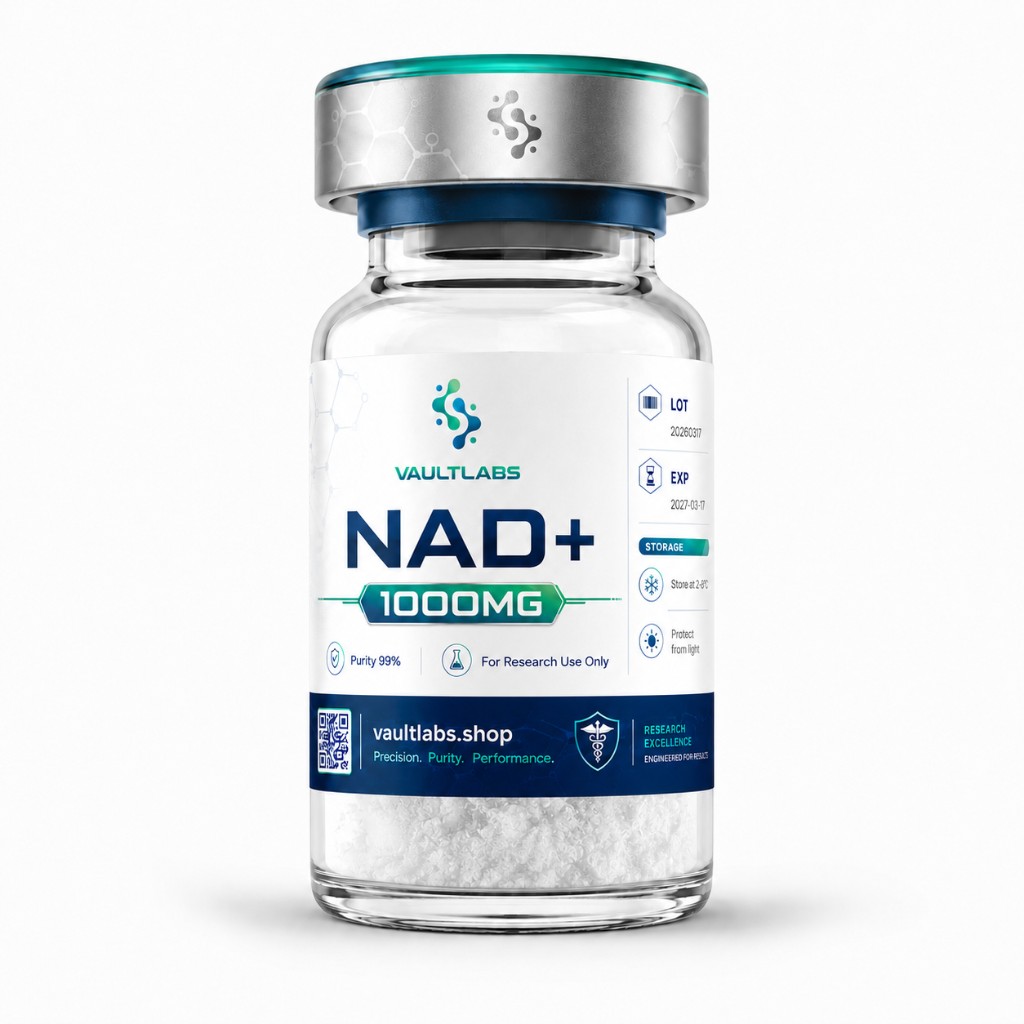
Purchase orders that cite longevity usually arrive with a blog attached. VaultLabs will not fulfil the blog. We fulfil a SKU, a lot, and a research-use acknowledgement. This page exists so coordinators can rewrite the justification before receiving.
We do not sell medicines or weight-loss treatments. We do not promise aging outcomes. Research use policy. Editorial policy.
What a compliant aim looks like
- Named catalog SKU (NAD+ 1000mg, GHK-Cu 50mg, or another listed line)
- In vitro or analytical purpose in one sentence the lab actually owns
- Lot-file plan (batch verification)
- Storage owner and location
What we will reject in copy and in spirit
- Anti-aging promises
- Consumer “protocol” language
- Before/after body or skin claims as a reason to buy
- Human administration instructions
If the only sentence on the PO is “longevity stack,” send the requester to the compound or landing that matches the SKU — NAD+ research UAE, GHK-Cu monograph, research peptides UAE — and ask them to come back with an identity.
Rewriting a justification, in practice
Coordinators usually agree with the principle and then get stuck on the wording, so here is the move.
A justification reading "longevity and cellular health support" has no SKU, no method, and no measurable object — it describes a hoped-for outcome in a person. The rewrite names the catalog line, states what will be done with it in vitro, and says who owns the resulting record. It is shorter than the original and it survives being read by someone outside the lab.
The test is simple: could a reviewer who has never met your team tell what will physically happen to the material? "Anti-aging research" fails that test. A named SKU used in a described laboratory procedure passes it.
Note that this is a documentation exercise, not a euphemism exercise. Restating a wellness aim in technical vocabulary while the underlying intent is personal use is worse than the original, because it adds a misrepresentation to the same problem.
Why the framing holds even when it costs an order
Refusing wellness framing turns away business, and it is worth being clear that this is intentional rather than an oversight in the copy.
A supplier that accepts a human-use justification has, in writing, supplied material for a purpose it is not permitted to serve. That record does not stay contained — it sits in the file for every legitimate institutional customer who is later asked how their supplier operates.
The same logic protects the buyer. An institution whose purchase records show research reagents acquired against wellness justifications has a problem that no COA resolves, because the documentation contradicts itself on its face. Keeping the framing clean is the cheaper position for both sides, and it is the one the Vault Standard commits to.
How this protects the lab
Auditors read justifications. A wellness paragraph next to an RUO invoice is a contradiction. The Vault Standard is documentation and traceability, not a lifestyle brand.
Related education (still not wellness)
Materials remain for in vitro laboratory research only.

