

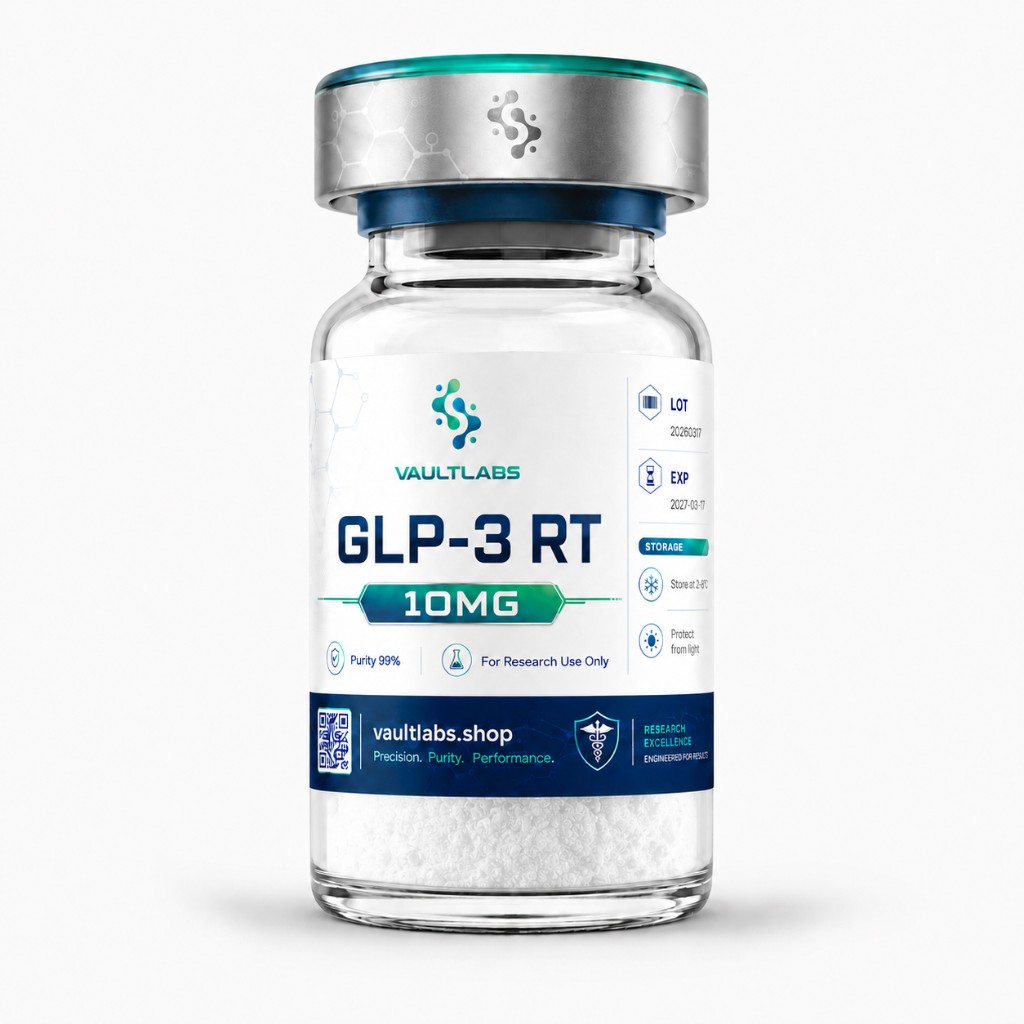
New staff do not need another 4,000-word glossary. They need the week-one words that stop a bad receipt. The owner pages for definitions are the glossary and the library glossary guide. This article is the onboarding card.
Terms to learn before touching a parcel
- RUO — Research use only. Not a consumer product. Policy.
- SKU — Catalog line you ordered (for example GLP-3 RT 10mg), not a nickname.
- Lot / batch — Identifier on the vial. Match it everywhere.
- COA — Certificate of Analysis for that lot. Tour: understanding COAs.
- HPLC — Common chromatographic method behind a purity %. HPLC explainer.
- Purity vs assay — Different fields when both appear. Interpret assay results.
- Lyophilized — Freeze-dried cake in the vial. Sealed storage is usually cold, dry, dark.
- Reconstitution — Adding a diluent under an SOP. We do not publish recipes. Basics.
- BAC water — Bacteriostatic water diluent. Compound page.
- [Sterile water](/compounds/sterile-water) — Different diluent identity. Compound page.
- Quarantine — Shelf or box for unmatched lots. Not optional wording.
- Portal — Batch verification on this site.
Words that sound like synonyms and are not
Half of week-one confusion comes from pairs that a newcomer reasonably assumes mean the same thing. Learning the difference is faster than unlearning the assumption.
Sterile and bacteriostatic are not the same claim — one describes the absence of viable organisms, the other an agent that inhibits growth. Purity and identity answer different questions: how much of the sample is the main component, versus what that component is. Specification and result differ by tense — a range the lot was expected to meet, against what it measured. Nominal mass is the catalog size printed on a vial, not a potency statement. Quarantine and rejected are different states: quarantine means undecided, rejection is a decision someone made and recorded.
Expiry and first-open date are the pair that causes the most fridge arguments. The first is set by the supplier; the second is set by you, the moment the seal is broken, and your SOP governs what follows from it.
Who to ask, and when to stop
Knowing the words matters less than knowing the escalation path, because the failure mode for new staff is guessing rather than asking.
Stop and ask whenever two documents disagree, whenever a lot is not in the portal, whenever the label is illegible or damaged, or whenever a requisition names something that is not a catalog SKU. None of these are judgement calls for someone in their first weeks, and none of them get cheaper by being deferred.
The reverse is also worth saying plainly: nobody should be annoyed by a receiving officer who quarantines something and asks. A vial held for an hour costs an hour. A vial released on an assumption can cost the study it ends up in.
Two sentences to memorise
If the lot on the vial is not the lot on the PDF, the parcel is not received.
If the SKU on the invoice is not the SKU on the vial, accounts payable and the fridge will disagree — stop.
Where to send people next
Buying context: research peptides UAE. Storage: storage guide. Calculator: peptide calculator.
This card does not replace SOP training. It keeps nicknames off labels.
