

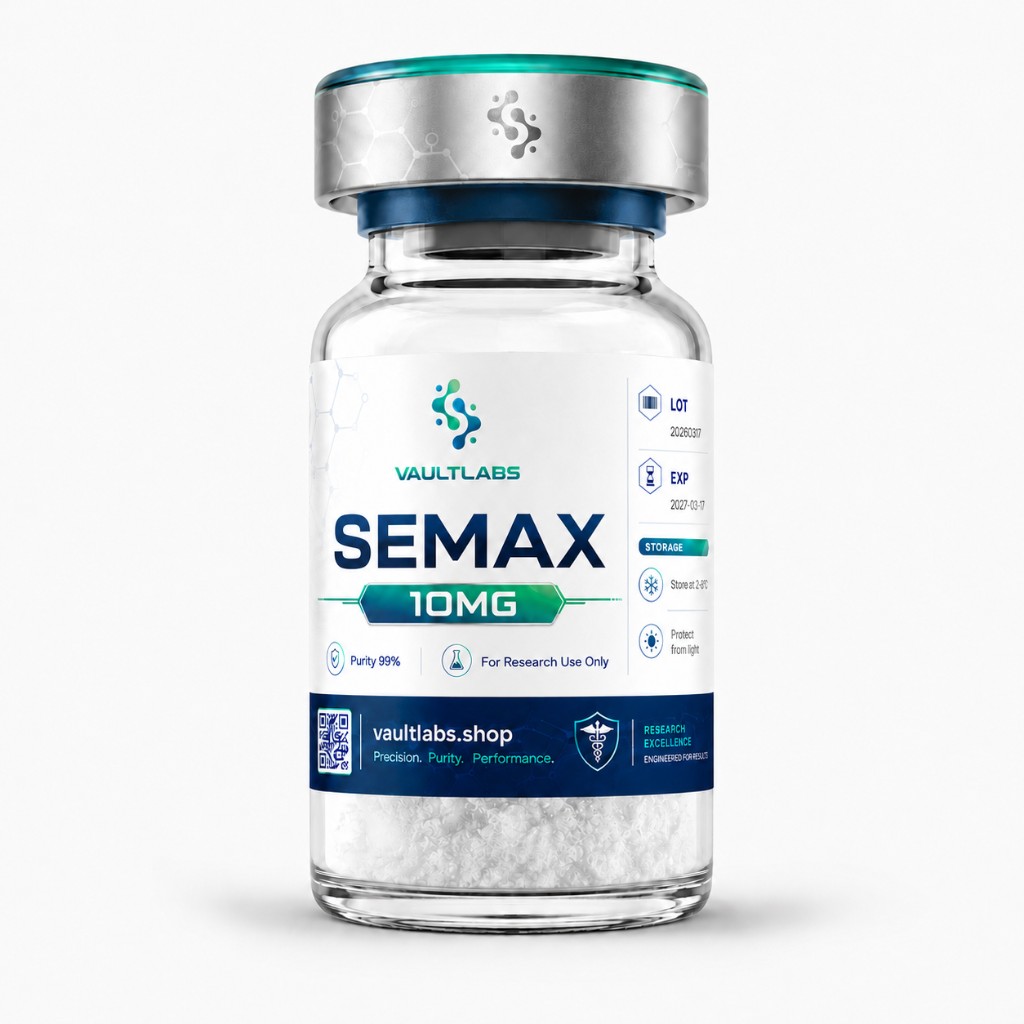
This is the [Semax](/product/semax-10mg) UAE receiving list. The narrative landing is Semax research peptide UAE. Use this page when a coordinator needs a checklist they can print next to the parcel.
Before you order
- SKU is Semax 10mg, not “nootropic peptide” and not Selank.
- The protocol’s literature name is mapped on the requisition.
- You know who will own the lot file (usually the receiving officer, not the requester).
- Invoice needs (AED, TRN, research-use line) are stated up front.
On receipt
- Out of ambient Gulf heat immediately. Notes: shipping and storage.
- Vial name, nominal mass, and lot logged.
- Lot checked in batch verification.
- PDF filed. Field guide: how to read a peptide COA.
- Storage location assigned from the storage guide.
If the portal is empty, quarantine and request documentation.
After the vial is in inventory
- ELN entry points at the lot, not only the product name.
- Reconstitution math, if your SOP uses it, is checked with the reconstitution calculator. The calculator is not a protocol.
- Research-use acknowledgement is on the order record (research use policy).
What this checklist assumes you already have
The list is short because it assumes your institution has settled three things elsewhere. If it has not, the checklist will pass while the process still fails.
First, a named owner for incoming material. Receiving that rotates between whoever is at the desk produces logs with gaps, and gaps are what an audit finds. Second, acceptance criteria written before the COA arrives — deciding what is acceptable while looking at the result is how a marginal lot gets talked through. Third, a quarantine location that is physically separate from released stock, not a shelf understood to be quarantine.
None of these are supplied by a vendor. They are the reason two labs buying the same vial end up with different levels of confidence in it.
Records worth keeping after the work is done
Close the loop when a lot is exhausted rather than letting the row go quiet. Retain the COA, the receiving log, the portal record, and the ELN entries that reference the lot, and note the date the vial was finished or discarded.
The question that arrives later is almost always the same: which lot was used for a given result, and can you show the documentation that released it. That is answerable in a minute if the lot identifier threads through every record, and close to unanswerable if the ELN only ever said "Semax."
Retention periods are set by your institution. VaultLabs keeps its own published lot records available through batch verification, but that is not a substitute for your internal file.
Do not add to this checklist
Human or animal use, cognitive protocols, or “stacking” language. Semax from VaultLabs is an in vitro research reagent.
If the requisition still says Semax/Selank, fix the name before anyone opens the box. Semax vs Selank explains why.
