



Know which BPC-157 you actually ordered
VaultLabs catalogues the single-sequence material as BPC-157 10 mg, a lyophilised vial with lot tracking, AED pricing and dispatch across the seven emirates. The same sequence also appears inside Wolverine 10 mg, a two-component presentation, and inside KLOW 80 mg, a four-component blend.
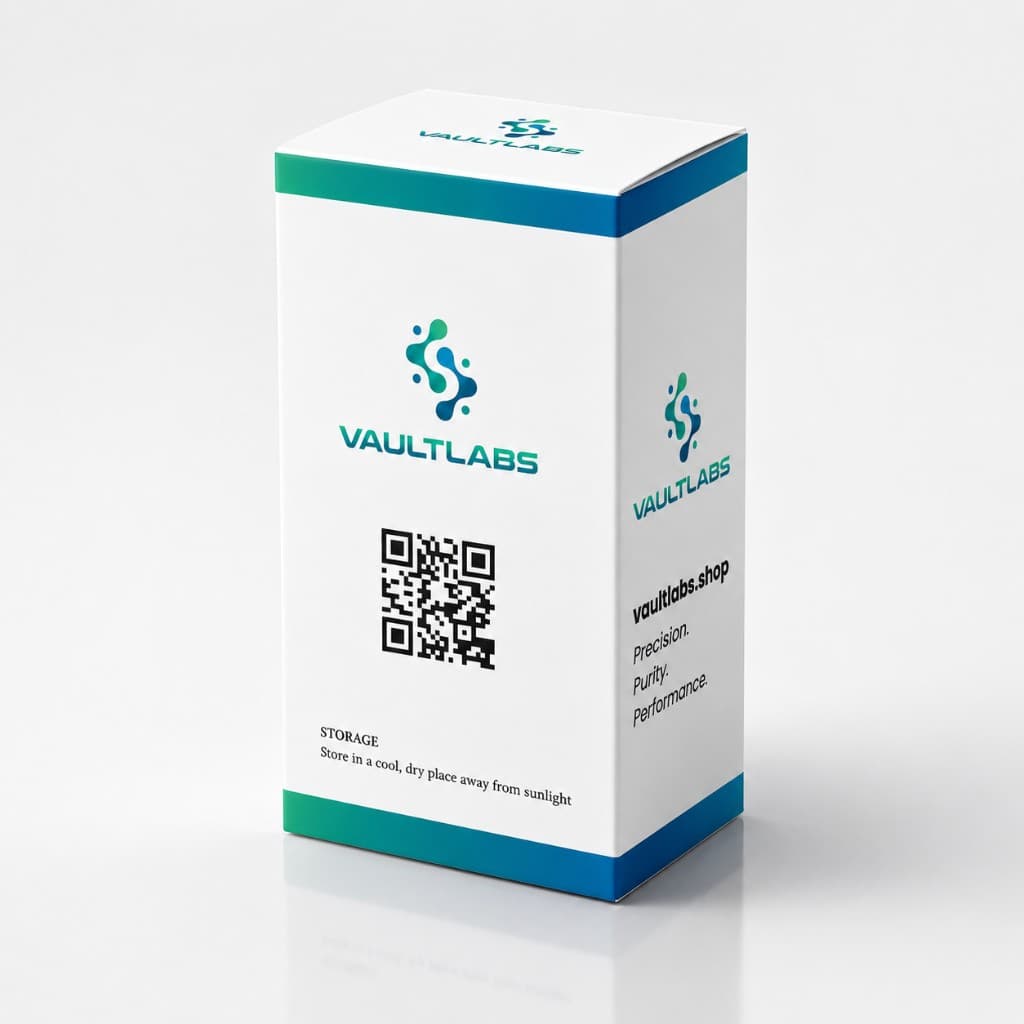
This is the most common documentation error on this compound. A certificate issued for a blend cannot carry one purity figure that describes every constituent, and a certificate for the single-sequence vial does not qualify a blended unit. Lots and certificates are never shared across those lines. The reasoning is set out on the KLOW monograph; the practical rule is that the printed catalogue name on the unit is the identity you inventory, and it must match the certificate exactly.
Keep the three lines on separate inventory rows. A shared row labelled "BPC" invites substitution by a colleague who reasonably assumes the sequence is the sequence, and the resulting mismatch will only surface when someone reconciles the certificate.
The verification pass at goods-in
Take the lot number from the vial — not from the invoice — and enter it in batch verification or the COA index. Published records for this SKU also collect on the BPC-157 COA page. Reconcile the invoice SKU, the printed name and mass, the vial lot and the certificate lot before anything is opened.
Read the analytical block with the compound in mind. BPC-157 is a fifteen-residue sequence containing no cysteine, so there is no disulfide bridge to preserve and none of the reduced or scrambled species that dominate the related-substance list for a bridged peptide. What matters instead is a dominant peak at the expected retention behaviour with no unexplained secondary peaks, and, where a laboratory has the instrumentation, mass confirmation — a sequence of the wrong length can still produce a tidy-looking chromatogram. Field-level guidance is in how to read a peptide COA and the COA receiving checklist.
If the lot does not resolve, that is usually a publication timing matter rather than a quality signal, because analytical release and upload are separate events. Raise it through documentation request with the lot number and record the pending state in the receiving log rather than releasing the material on the assumption the record will appear.
Storage and the UAE receiving window
Sealed lyophilised BPC-157 is specified cold, protected from light and moisture, per the product page and the lot certificate. The general reasoning for sealed-vial temperature decisions sits on the research peptide storage guide; the regional constraint is covered in the UAE climate storage guide.
In practice the risk is the receiving interval, not the refrigerator. Arrange for someone to be present, move the parcel directly into monitored storage, and log arrival time and packaging condition. Let the vial equilibrate to room temperature before the seal is broken so that humid air does not condense onto the cake.
After opening, the certified figure stops describing what you hold. Peptides in solution remain subject to hydrolysis, to proteolysis if contamination is introduced, and to damage from repeated freeze-thaw cycling, so log the diluent lot, the preparation date and every thaw. Long-running work should build in a re-check rather than citing the release figure indefinitely. Concentration arithmetic stays SOP-owned; the peptide calculator only converts figures you have already established.
Support reagents and adjacent SKUs
Diluents are catalogued separately under research support reagents, including bacteriostatic water presentations. Which one suits a given preparation depends on whether the design involves a single session or multiple draws — the distinction is explained in bacteriostatic water versus sterile water, with method background in reconstitution basics.
Laboratories comparing this sequence against others in the repair-research group should read the comparisons rather than assume equivalence: BPC-157 versus TB-500 and BPC-157 versus Wolverine both turn on identity and certificate scope rather than on outcome claims. Broader catalogue context is at research peptides in the UAE.
Scope, stated plainly
VaultLabs supplies BPC-157 for in vitro laboratory research only. It is not an approved medicine in any major jurisdiction, and nothing on this site describes preparation or administration for people or animals. Purchasers carry their own institutional and regulatory responsibilities in the UAE.
Because this sequence attracts consumer interest well beyond its laboratory use, keeping the research-use basis documented in the order record and the vendor file is worth the small amount of effort it takes. Regulatory orientation and official sources are collected in the UAE regulatory overview.